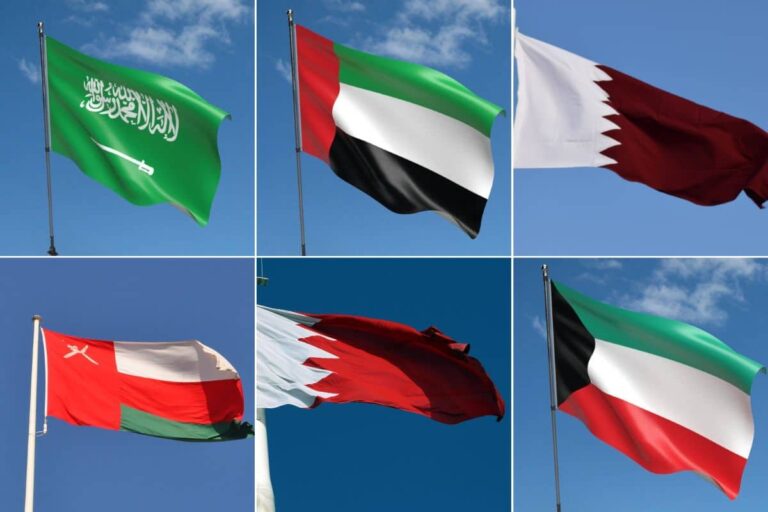
The Gulf Cooperation Council (GCC) economies are expected to experience a significant recovery in non-oil economic activity, with growth forecast to reach approximately 4.5% in 2027 under the International Monetary Fund’s baseline projections.
However, the pace of the recovery will vary across countries and industries, according to PwC Middle East’s latest Middle East Economy Watch report. The outlook will depend heavily on how quickly shipping disruptions ease, energy production returns to normal and international trade connections are restored.
PwC said an earlier reduction in regional tensions could bring the economic recovery forward by one or two quarters, creating opportunities for businesses to accelerate investment, recruitment and expansion. Conversely, prolonged disruption extending into the second half of 2027 could keep operating costs elevated and delay improvements in several sectors.
“The outlook for 2027 points to a significant recovery, although much will depend on the pace at which shipping and production are restored,” said Richard Boxshall, Global Economics Leader and Middle East Chief Economist at PwC Middle East.
Aviation, Tourism and Logistics Face a Slower Recovery
While several GCC economies have shown renewed expansion in non-oil activity, the recovery remains uneven. Business surveys indicated improving conditions across multiple regional markets during the third quarter of 2026, particularly in services supported by domestic demand.
Aviation, tourism and logistics, however, continue to face greater challenges because of their dependence on international connectivity, transport networks and business confidence.
The disruption has also affected energy markets. GCC crude oil production declined by approximately 40% between February and April 2026, before production and exports began recovering at different rates across the region. Progress has depended partly on producers’ ability to access alternative export routes.
Inflation has also increased amid higher energy and shipping costs. GDP-weighted inflation across the GCC rose from 1.9% in February to 3.1% in June, according to PwC. Policy measures helped contain the extent to which these additional costs were passed on to consumers.
Jing Teow, Partner for Economic Policy and Strategy at PwC Middle East, highlighted the differences between sectors during the recovery.
“However, the recovery is progressing at very different speeds across the economy,” Teow said. “Sectors supported by domestic demand have generally held up better, while aviation, tourism and logistics face a longer recovery as connectivity and confidence are gradually restored.”
The outlook suggests that industries relying on local consumption may regain momentum sooner than businesses dependent on international passenger traffic, freight movement and cross-border trade.
Shipping Disruptions Reshape Regional Investment Priorities
The disruption to shipping and energy exports has highlighted the importance of resilient infrastructure and diversified supply chains across the Gulf.
According to PwC, government reserves, access to international capital markets and well-capitalised banks have helped GCC economies manage immediate financing pressures. Energy exporters and logistics operators have also increasingly relied on alternative transportation and export routes.
These adjustments could influence investment decisions well beyond the immediate recovery period. Governments and businesses are facing greater incentives to strengthen logistics networks, expand storage capacity and develop alternative transport corridors that reduce dependence on vulnerable routes.
The report identifies investment in logistics infrastructure, storage facilities and diversified supply chains as important areas for improving the region’s resilience against future disruptions.
For GCC governments, completing critical transport projects and restoring international connectivity will be central to supporting economic activity and rebuilding confidence among investors and businesses.
Businesses Urged to Prepare for Different Recovery Scenarios
Although the 2027 growth forecast points to stronger economic momentum, PwC cautioned that companies should not assume the recovery will follow a uniform path.
An earlier easing of tensions could enable businesses to resume delayed projects, increase hiring and bring forward expansion plans. A prolonged disruption, by contrast, could leave companies facing elevated freight charges, higher operating expenses and continued uncertainty over demand.
PwC recommends that businesses assess investment decisions against multiple scenarios, including different assumptions about customer demand, operating costs and supply-chain exposure.
Maintaining financial flexibility will also be important, particularly for companies operating in sectors vulnerable to interruptions in international trade and transportation.
For investors, the pace at which shipping and production recover will be a key factor in determining which industries benefit first from renewed growth.
GCC Economic Outlook for 2027
The projected 4.5% growth in GCC non-oil GDP points to the region’s potential to regain economic momentum as conditions improve. However, the forecast remains dependent on the assumptions underlying the IMF’s baseline outlook and the speed at which key economic activities normalise.
The recovery is likely to be shaped by several interconnected factors: the restoration of energy production, the availability of reliable shipping routes, the performance of tourism and aviation, and the ability of governments and businesses to sustain investment.
The GCC’s financial resources and efforts to diversify economic activity provide important support, but uneven recovery across sectors remains a significant consideration.
Ultimately, the region’s economic trajectory in 2027 will depend not only on easing disruptions but also on how effectively governments and businesses strengthen infrastructure, diversify supply chains and adapt to changing operating conditions.