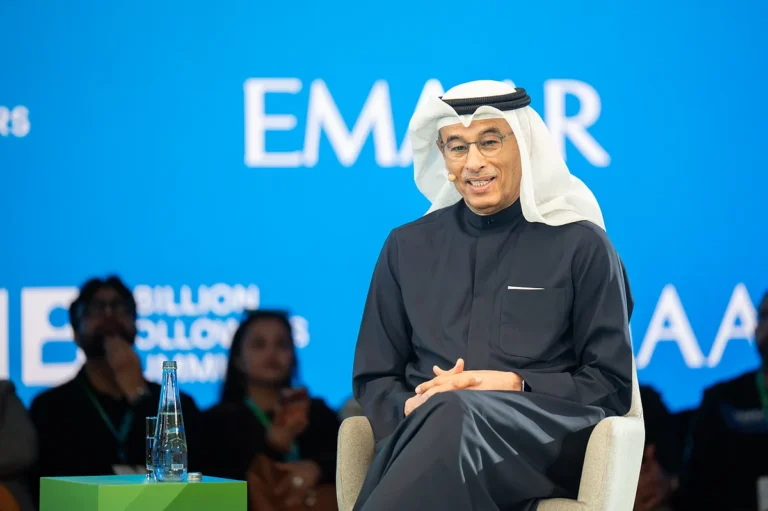
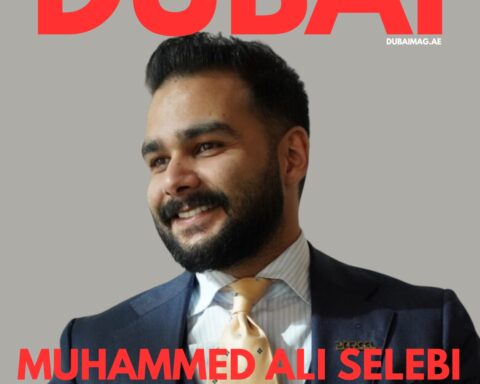
The property market in Dubai remains strong despite ongoing regional tensions, according to Mohamed Alabbar, founder and CEO of Emaar Properties, one of the world’s largest real estate developers.
Speaking in a recent interview with CNBC, Alabbar expressed confidence in the long-term stability of the emirate’s real estate sector, even as a new wave of property supply is expected to enter the market in 2026 and 2027.
“We are not here for the short run. We are here for a long, long time to do business,” Alabbar said, underscoring the strategic and long-term nature of development in Dubai.
Long-Term Vision Driving Market Growth
Alabbar noted that the upcoming influx of new properties should not be viewed as a sign of instability but rather as a natural outcome of Dubai’s long-term urban planning and ambitious development goals.
According to him, the city’s property sector is built on decade-long visions rather than short-term speculative cycles.
While he acknowledged that markets can experience temporary cooling periods, he emphasized that such adjustments are normal and do not threaten the overall health of the industry.
Strong Market Sentiment Among Sellers
To illustrate the confidence currently present in the market, Alabbar shared a personal experience from his search for a seafront apartment.
After spending two days exploring potential properties, he said he was unable to find a single seller willing to negotiate on price.
“Nobody wants to budge. Nobody wants to give a discount,” he said. “That’s a true situation.”
For Alabbar, this reluctance to reduce prices reflects strong confidence among property owners and serves as a clear indicator of the market’s underlying strength.
Limited Bank Borrowing Strengthens Stability
Another factor that distinguishes Dubai’s real estate sector from many global markets is its limited reliance on bank borrowing.
Alabbar explained that lending to property buyers in the United Arab Emirates is tightly regulated, reducing the risk of speculative credit bubbles that have destabilized property markets elsewhere.
“Our real estate business is not built on bank borrowing,” he said. “Bank borrowing is very restricted in this market.”
This structural feature, he added, helps insulate the market from financial shocks and makes it less vulnerable to sudden downturns driven by excessive leverage.
Stability and Leadership Inspire Investor Confidence
Addressing broader geopolitical concerns, including regional conflicts, Alabbar stressed that Dubai’s appeal to international investors remains strong because of the UAE’s consistent governance and long-term policy direction.
He said that investors who carefully study the UAE’s trajectory over many years consistently identify the same strengths: consistency, sustainability, wisdom, and stability.
“A country like this, with all these principles and stable leadership and the safety, it has shown that it can deliver,” he said.
A Safe Haven for Global Capital
Alabbar also praised the UAE’s leadership for its strategic planning and ability to maintain national stability, noting that such qualities are recognized by experienced global investors.
While acknowledging that he is not an expert in military matters, he said he was impressed by the country’s capabilities and preparedness, factors that reinforce confidence among those with significant capital.
“People with true capital understand this, they appreciate this, and they will double down on investing,” he said.
High-Value Deals Continue Despite Regional Tensions
Alabbar’s remarks come at a time when industry experts note that Dubai’s property market has defied regional uncertainty, with $100 million real estate deals still being recorded.
These high-value transactions highlight the emirate’s continued reputation as a safe haven for international investment, even during periods of geopolitical tension.
With strong leadership, careful financial regulation, and long-term planning guiding its development, Dubai’s property market continues to demonstrate resilience and global appeal.